There’s No Wrong Time, Just a Different Iceland
One of the questions we hear most often is deceptively simple: “When should I visit Iceland?” The honest answer is that the country reinvents itself every few months, and there’s a genuinely good reason to come in any season. What matters is matching the season to what you actually want from the trip — because winter Iceland and summer Iceland are almost two different destinations wearing the same coastline.
Instead of chasing a single “best” month, think about the experience you’re after: endless daylight and hiking, dancing green skies, blooming shoulder-season quiet, or festive winter light. Each has trade-offs worth knowing before you book flights.
Summer: Long Days and Open Roads
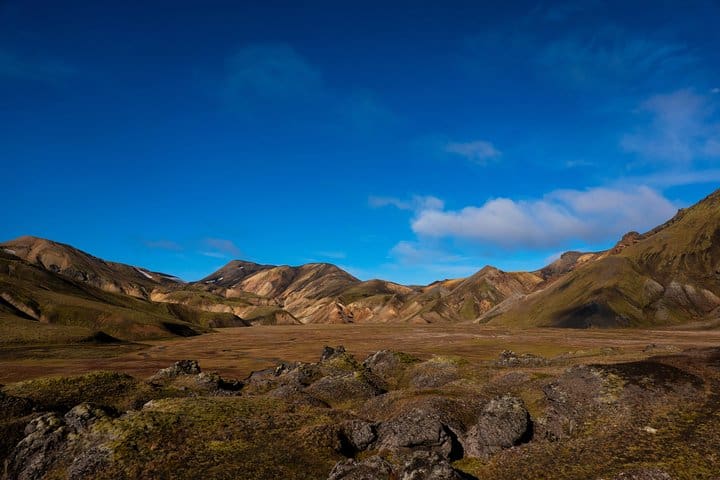
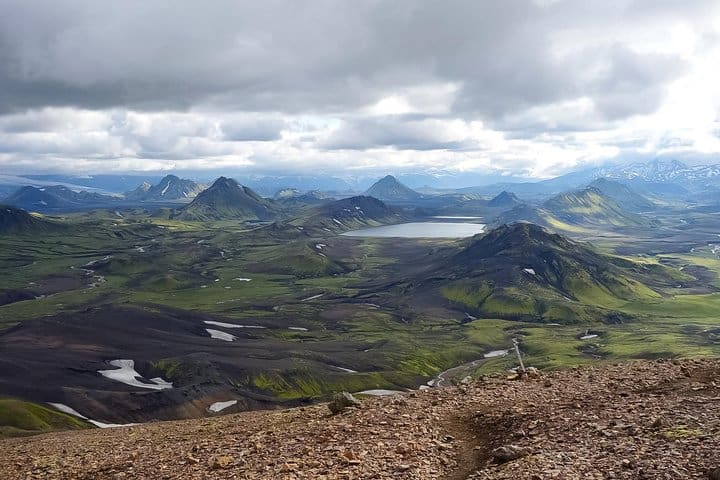
June through August is when Iceland’s Highlands fully open up, rivers are (relatively) tame, and you get something close to 24-hour daylight around the solstice. This is prime time for multi-day trekking, and the Laugavegur 3 Days Trekking (€2,234, 3 days) is the classic way to experience it — hiking through the otherworldly, mineral-streaked landscape of Landmannalaugar with huts and views that simply don’t exist anywhere else on the itinerary.
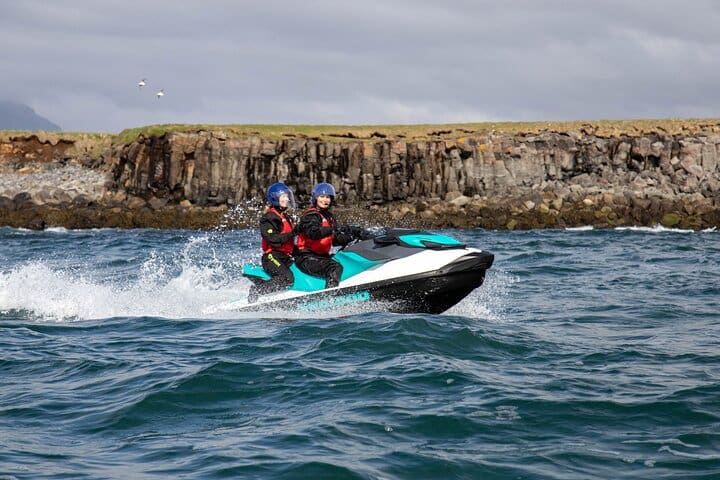
Summer is also the only realistic window for the Landmannalaugar Day Tour by Super Jeep (€1,550.45, 8 hours), since the F-roads leading there are typically closed the rest of the year. If you’d rather stay closer to Reykjavík, summer’s calm water and long evenings make the Reykjavík Bay Jet Ski Tour (€159.67, 2 hours) an easy, beginner-friendly way to see the city from the water without needing any prior experience.
The trade-off: this is peak season, so accommodation and popular tours book out weeks or months ahead, and you’ll be sharing the more famous sights with more people. In exchange, you get flexibility, warmth (relatively speaking — pack layers regardless), and access to places that are simply unreachable in winter.
Winter: Darkness, Northern Lights, and a Different Kind of Magic
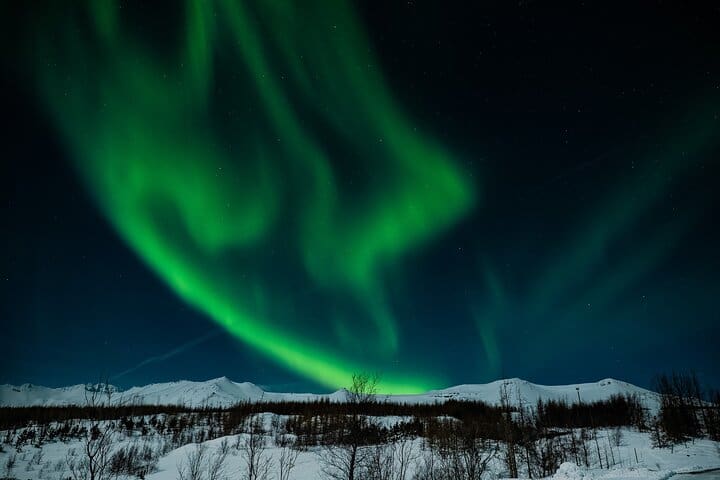
From roughly late September through March, long nights turn Iceland into aurora territory. If chasing the Northern Lights is on your list, base yourself somewhere with dark skies and local expertise — the Northern Lights Tour from Akureyri (€96.50, 3 hours) is a relaxed, guided bus outing that leans on local knowledge of where clear patches of sky are likely to appear, while the Northern Lights Photography from Akureyri (€173, 3 hours) tour is built specifically for travellers who want to come home with actual photos rather than blurry phone shots.
Winter also means shorter days for sightseeing, icy roads that call for caution (or a guide who knows them), and a slower, quieter Reykjavík. It’s a wonderful season for cosying up between activities — an evening on the Icelandic Bar Crawl Experience (€249.75, 3–4 hours) is a good way to warm up and meet other travellers after a day of aurora-hunting. Just know that some Highland routes and rural roads close entirely, so winter itineraries lean more toward the Ring Road, the south coast, and the north.
Shoulder Seasons: The Quiet Middle Ground
May and September (sometimes stretching into April and October) are the seasons locals love most and visitors underrate. Crowds thin out, prices often soften slightly, and you can still catch a bit of both worlds — some daylight hours are long, aurora starts becoming visible again by late August, and the worst of winter ice hasn’t set in yet. It’s a genuinely good window for road-tripping at your own pace, without the summer scramble for rental cars and campsites.
Matching the Season to Your Trip
If your priority is hiking and Highland access, aim for July or August. If it’s the aurora, target the darker months between October and March, ideally with a few nights built in for cloud cover. If you want a calmer, cheaper trip with decent flexibility, shoulder season is hard to beat.
Whichever window you choose, Iceland rewards a bit of planning. Start browsing tours that match your season — whether that’s a summer trek across Landmannalaugar or a winter night spent watching for green light in the sky — and build your itinerary around what that time of year does best.