Iceland’s food story is shorter and stranger than most, and that’s exactly what makes it worth paying attention to. For centuries, this was an island with almost no agriculture beyond hay and sheep, a punishing climate, and an ocean full of fish right on the doorstep. Everything Icelanders ate had to be caught, dried, salted, smoked, pickled or buried to survive the winter. Some of those old preservation methods have become delicacies; others are still eaten mostly as a dare. Either way, understanding the food makes the whole trip make more sense.
The everyday things you’ll actually eat
Start with skyr, the thick, protein-rich dairy product that Icelanders will insist, correctly, is not yogurt. It’s been made here since the Vikings arrived with their cows, and you’ll find it plain, sweetened, or flavoured with skyr.is versions of blueberry and vanilla in every petrol station cooler in the country. Then there’s lamb, which roams free on the highland pastures all summer and ends up in everything from Sunday roasts to kjötsúpa, a hearty lamb-and-root-vegetable soup that’s the closest thing Iceland has to comfort food. If you’re doing a longer trip, the 5-Day Small Group Journey Around Iceland (from €1,365, five days) is a good way to eat your way around several regions, since guides typically know exactly which roadside guesthouse does the best lamb soup that week.
Seafood is the other pillar, and it’s genuinely excellent because so little of it travels far before it reaches your plate. Plokkfiskur, a mashed fish-and-potato dish with béchamel, turns up on nearly every lunch menu in Reykjavík and is cheap, filling, and a good introduction to Icelandic cooking if you’re travelling on a budget. Langoustine, caught off the south coast, shows up in soup form almost everywhere near Höfn, and it’s worth seeking out even if you’re not otherwise a soup person.
The famous, slightly terrifying stuff
No conversation about Icelandic food skips hákarl, fermented Greenland shark that’s been buried, pressed, and hung to dry for months to break down the toxins that make it poisonous fresh. It smells like ammonia and tastes like a very assertive blue cheese, and most visitors try exactly one cube, chase it with a shot of Brennivín (the caraway-flavoured schnapps nicknamed “black death”), and move on with their lives. You don’t need to seek it out, but if you’re offered a piece at a farm stop or a Þorrablót midwinter feast, it’s worth the story you’ll get to tell afterwards.
Less confronting but just as traditional is hangikjöt, smoked lamb traditionally cooked over birch or dried sheep dung, served cold in thin slices at Christmas but available year-round in most delis. And rúgbrauð, a dense, faintly sweet rye bread, is sometimes still baked underground near geothermal areas, using the heat of the earth itself rather than an oven.
Where a good guide makes all the difference
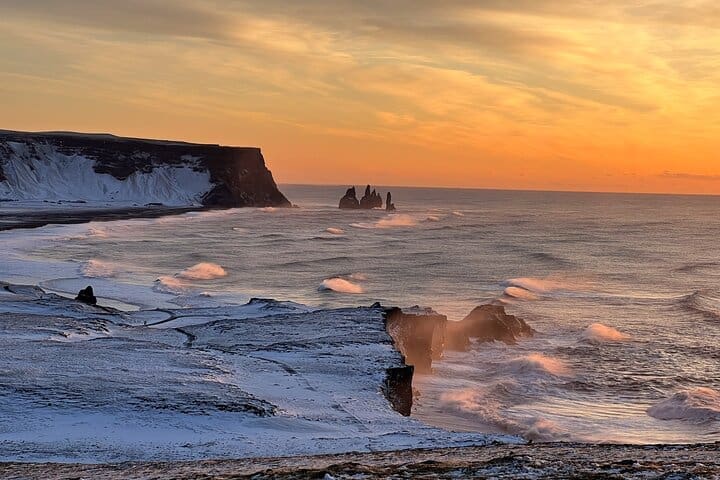
Some of the best food moments in Iceland happen almost by accident, at a farm café on a road you’d never have found alone. The South Coast / guided private tour (from €1,475, 6–9 hours) stops in and around Vík, where small bakeries and guesthouses serve simple, excellent food between visits to Seljalandsfoss and Skógafoss, and a private guide can usually steer you to the good ones rather than the tourist-menu options. If you’re driving yourself, the Ultimate Iceland Road Trip — 10-Day Self-Drive (from €1,605) covers enough ground that you’ll get a real cross-section of regional cooking, from West Fjords fish to Northern lamb, without ever eating the same thing twice.
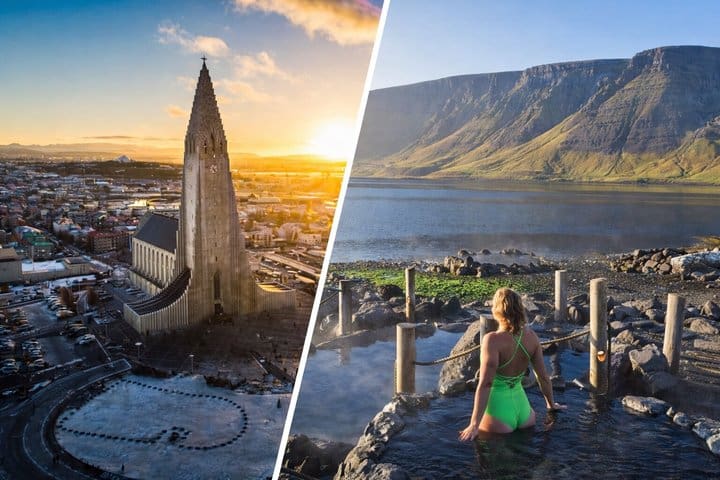
Food and culture tend to sit close together here, too. The Icelandic Women Walking Tour in Iceland (from €155, 3 hours) weaves through downtown Reykjavík’s history and often passes by some of the city’s oldest cafés and bakeries, the kind of places locals have been meeting for coffee and cinnamon rolls for generations. And after a day of eating your way around, there’s something particularly satisfying about easing into geothermal water with a view of the sea, which is exactly what the Hvammsvík Hot Springs private round transfer (from €302.06, 4–5 hours) sets you up for.
A few practical notes
Restaurant prices in Iceland run higher than in most of Europe, so a soup-and-bread lunch at a bakery is a smart way to eat well without overspending, saving the sit-down dinners for one or two special nights. Tap water is excellent and free everywhere, so skip bottled water entirely. And if you’re vegetarian or vegan, Reykjavík has more options than the lamb-and-fish reputation suggests, especially around the city centre.
Icelandic food rewards curiosity more than caution. Try the skyr, order the soup, take the tiny cube of shark if it’s offered, and let a good guide point you toward the places locals actually eat. Start planning your route and build in the stops that matter to you, because in Iceland, some of the best meals aren’t on any menu at all.
[“Food and drink”, “Practical tips”, “Itineraries”, “First visit”]
[“Icelandic food guide”, “what to eat in Iceland”, “Icelandic cuisine”]