Iceland has a reputation for being expensive, and honestly, it isn’t undeserved. But “expensive” doesn’t mean “unaffordable” — it means you need to know where your money actually goes before you land, so nothing catches you off guard once you’re staring at a menu in Reykjavík wondering why a bowl of soup costs what it does. Here’s a realistic, no-nonsense breakdown of what a trip to Iceland costs, category by category.
Flights and getting into the country
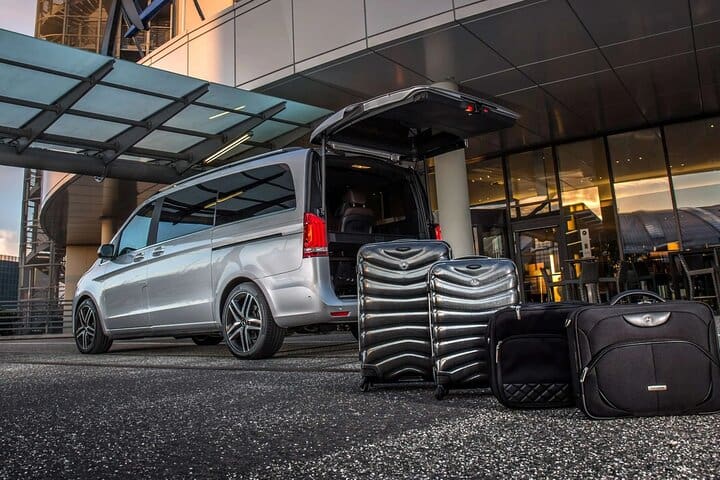
Your flight cost will vary wildly depending on where you’re travelling from, but once you land at Keflavík, the first decision that affects your budget is how you get into the city. Renting a car gives you flexibility but adds insurance, fuel and parking costs. If you’d rather skip the logistics on arrival, a Private Airport Transfer (€212.84, 20 minutes to 1 hour) takes that decision off your plate entirely — a fixed cost, no surprises, and someone who knows exactly where they’re going after a long-haul flight.
Accommodation: the biggest variable
This is where budgets diverge the most. A bed in a hostel dorm in Reykjavík can run somewhere around €40–€60 a night, a mid-range guesthouse or hotel room typically sits in the €150–€250 range, and boutique or design hotels push well past €300. Outside the capital, especially in rural guesthouses along the South Coast or in the Westfjords, prices often drop a little, but choice narrows too. If you’re building a multi-day itinerary, factor in that prices spike in July and August and around Christmas and New Year — booking early genuinely saves money here, regardless of season.
Food and drink: where costs sneak up
Eating out in Iceland is not cheap. A casual lunch — soup and bread, a sandwich, a bowl of fish stew — tends to land around €18–€25. A sit-down dinner with a main course and a drink easily reaches €40–€60 per person, more if you’re ordering lamb or seafood at a proper restaurant. The trick most seasoned travellers use is to lean on supermarkets (Bónus and Krónan are the budget-friendly chains) for breakfast and lunch, and save restaurant meals for dinner. Tap water is excellent and free everywhere, which helps more than you’d expect — bottled water is one cost you genuinely never need to pay in Iceland.
Tours: the cost that actually varies by choice
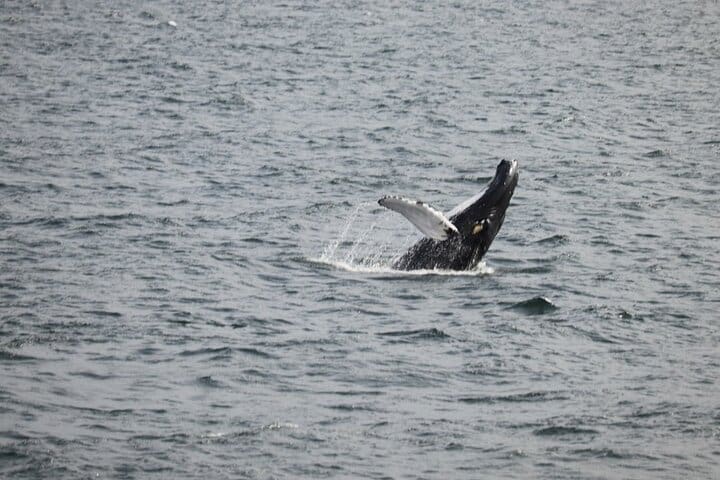
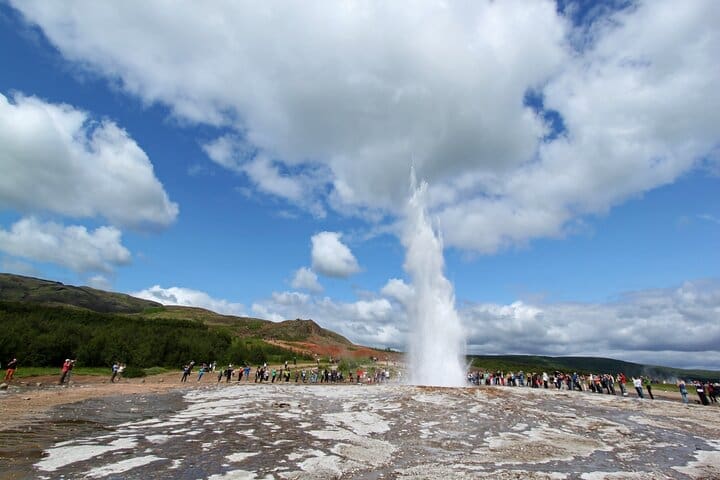
This is the category where you have the most control, because the range is enormous. A shared small-group experience like the 2 Hours Whale Watching Express Adventure (€94, 2.5 hours) out of Reykjavík gives you a full wildlife outing in Faxaflói Bay for less than the cost of two restaurant dinners. At the other end, a fully private, tailored day like the Private Golden Circle Tour from Reykjavik (€616.34, 9 hours) costs more per person but includes a dedicated driver-guide, flexible stops and no waiting on a bus full of strangers.
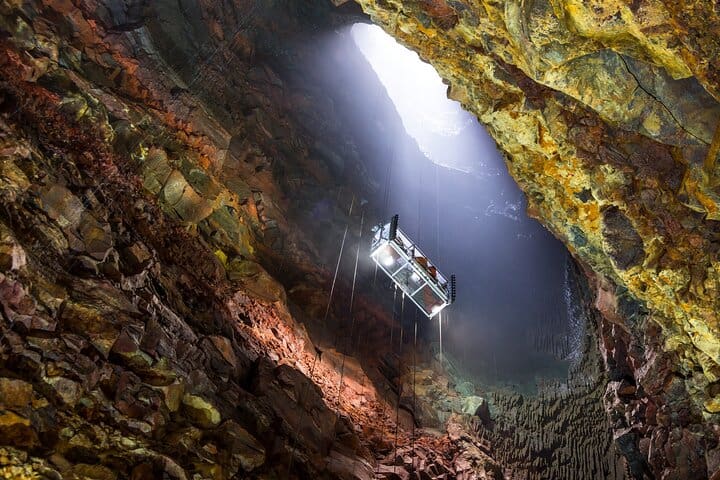
If your arrival day is tight, the Private Golden Circle Tour with Airport Pick Up (€473.56, 8 hours) is a smart way to fold a full day of sightseeing into your travel day instead of losing it to a hotel check-in wait. And for something that doesn’t fit neatly into “scenic drive” — the Inside The Volcano Hiking Tour (€420.26, 6 hours) is a genuinely rare experience, descending into the magma chamber of Þríhnúkagígur, and it’s priced as a shared tour rather than a private one, which keeps the cost more contained for what you get.
The general rule: shared tours cost less per person but run on a fixed schedule; private tours cost more but save you time and let you set the pace. Mixing both across your trip — a shared whale watching morning, a private Golden Circle day — is often the most sensible way to balance cost against experience.
Car rental versus organised tours
If you’re comparing self-drive against booked tours purely on cost, remember that a rental car brings hidden line items: insurance add-ons, fuel (which is not cheap), and the mental overhead of navigating unfamiliar roads, sometimes in poor weather. Organised tours bundle all of that into one upfront price, which makes budgeting far more predictable — you know the number before you land, and it doesn’t change.
A rough daily figure
Putting it together, a reasonably comfortable traveller — mid-range hotel, one paid tour every few days, a mix of restaurant and self-catered meals — should budget somewhere in the region of €180–€250 per day, excluding flights. Travel leaner and that can drop toward €120; travel with private tours and better hotels throughout and it climbs well past €350.
Plan the number, then plan the trip
Knowing your daily figure before you start booking makes every other decision easier. Have a look through the tours mentioned here, price out a few days that match your style, and build outward from there — Iceland rewards travellers who plan their budget as carefully as their itinerary.
[“Budget”, “Practical tips”, “First visit”, “Golden Circle”]
[“Iceland trip cost”, “Iceland travel budget”]